How Much Should You Spend on Home Upgrades?
Jennifer Rouwhorst
Author
That marble island top sounds amazing. The hot tub for your backyard patio? Absolutely luxurious. But before you sign off on that renovation quote and drain your bank account, we need to talk about something more important than any trendy upgrade—your renovation budget.
I've worked with countless homeowners in Bonita Springs who get excited about freshening up their homes. They have a vision of what could be amazing, and honestly, that excitement is great. The problem comes when people jump into renovation without understanding how much they should really be spending, and more importantly, how much of that investment they'll actually recover later.
The Reality of Renovation Costs
Home renovation costs typically range from $19,500–$88,400 for most homeowners, with an average of $52,275 for homes between 1,250 and 1,600 square feet in size. That's a pretty wide range, and the variation matters.
What I've learned from helping clients in Bonita Springs list their homes is that renovation spending is highly personal. Some people are happy with simple cosmetic updates, while others want complete transformations. Both approaches can work, but you need to understand what you're investing in and why.
Once you know how much you can afford to spend, set aside 10 to 20 percent of your available funds for unexpected expenses. This contingency buffer is non-negotiable. I can't tell you how many clients have seen costs balloon because something unexpected appeared once the contractors started opening walls.
The Magic Number for Your Budget
So what's the right amount to spend? There's actually a pretty standard guideline that real estate professionals use. A common rule of thumb: spend no more than 5 to 15% of your home's value on any single renovation. For a $400,000 home, that means a $20,000 to $60,000 kitchen remodel is reasonable, but a $100,000 addition might be over-improving for the neighborhood.
For those of you with Bonita Springs homes, this principle is especially important because the local market has expectations about what upgrades make sense. You don't want to over-improve and end up with a property that's worth more than what comparable homes in your neighborhood are selling for. That's money you won't recover.
A general rule is to avoid spending more than 30% of your home's current value on renovations. This guideline helps prevent overspending and provides a comfortable margin for fluctuations in costs or market conditions, while still supporting a strong return on your investment.
Kitchen and Bathroom Renovations: The Two Big Spenders
Kitchen and bathroom upgrades are almost always the most expensive projects, and they command the most attention from potential buyers. But here's what surprised many of my clients: bigger doesn't mean better when it comes to ROI.
A minor kitchen remodel returns about 75 to 85% of its cost. That makes it the highest-ROI kitchen renovation — major kitchen remodels ($40,000 to $75,000) only recoup 50 to 60%. That's a significant difference, and it's why I always encourage people to think carefully about scope.
According to the 2026 Houzz Kitchen Trends Study, the median spend for a minor kitchen remodel is $20,000. The median for a major remodel, where all cabinets and appliances are replaced, is $55,000 nationally. But here's the kicker: you get a better financial return from the smaller investment.
Bathrooms follow a similar pattern. On average, bathroom remodels recoup 72.7% of their cost at resale. That's still a solid return, but it's important to know going in. If you're planning to sell in a few years, you need to understand that a high-end bathroom renovation might not pay for itself.
What Actually Gives You the Best Returns?
If you're renovating with an eye toward selling eventually (or just maximizing your investment), some projects deliver much better returns than others. Exterior paint returns 100%+ of its cost, making it the best ROI renovation. Garage door replacement (95 to 100%), front door replacement (90 to 100%), and minor kitchen remodels (75 to 85%) round out the top four.
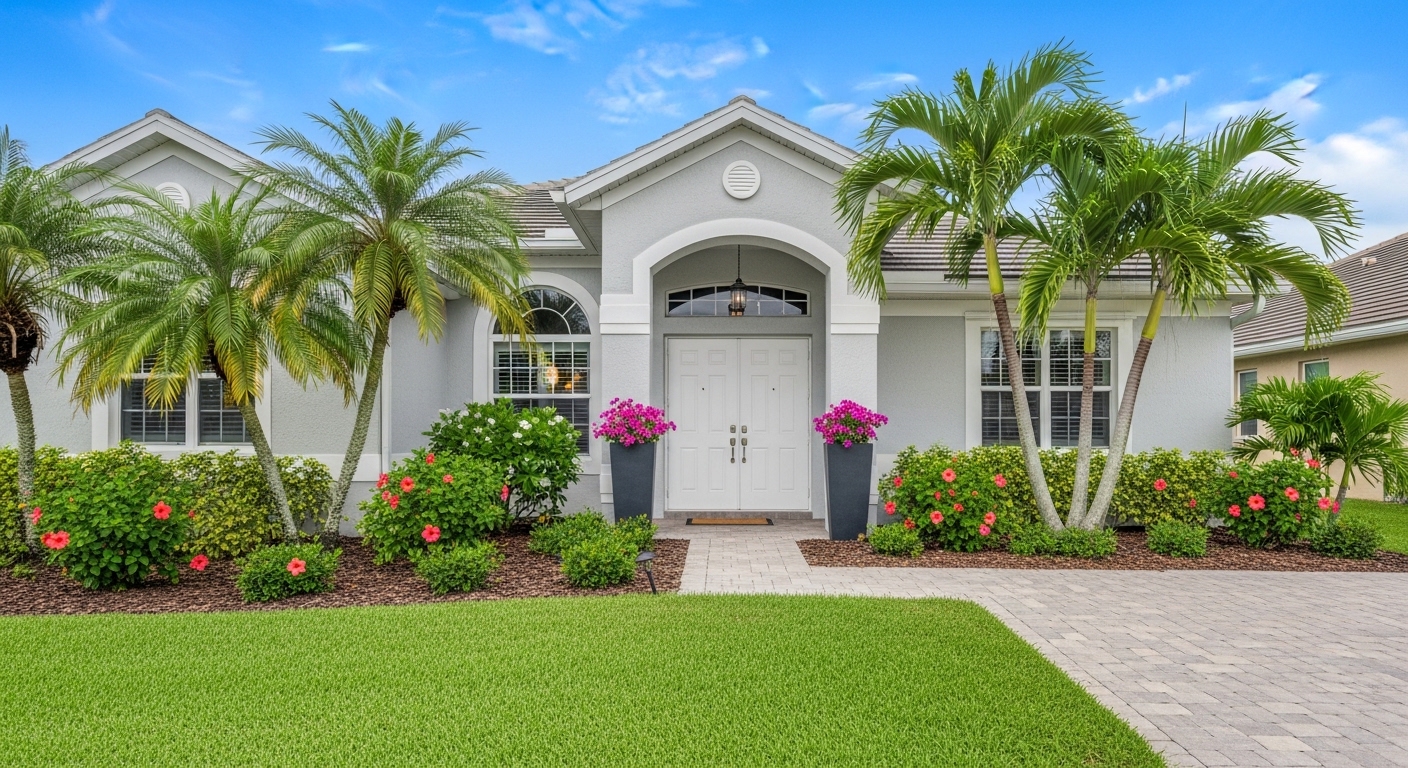
I know—it seems counterintuitive that a garage door could beat out a full kitchen renovation. But buyers notice curb appeal instantly, and they value the signal that a home has been maintained. A fresh garage door or entry door can outweigh dated interiors because it signals 'this home is well-maintained.' Buyers value curb appeal above almost everything else.
In Bonita Springs, where our homes can face significant sun exposure and weather conditions, maintaining and refreshing exterior elements is especially important to buyers.
The Upgrades to Approach With Caution
Not all renovations make financial sense, especially if you're thinking about selling. Swimming pools and luxury primary suite additions typically have the lowest ROI. High-cost, personalized projects often return less than half what you put in. So that backyard hot tub you were dreaming about? It might make you happy day-to-day, but it probably won't add proportional value when it's time to sell.
Swimming pools (30 to 50% ROI), home additions in neighborhoods that do not support the price increase, ultra-luxury finishes in mid-range homes, and converting a garage to living space (buyers want garages). These are the projects that can actually hurt your resale value or simply drain cash without return.
Consider Your Timeline
The big question I always ask clients is simple: how long are you staying in this home?
If you plan to live in your house for another decade, a "low ROI" project like a home theater might be worth it for the memories. However, if you're eyeing an exit strategy within 2–3 years, you should prioritize projects that appeal to the widest pool of buyers.
For those in Bonita Springs who view their homes as long-term investments and places to enjoy, the ROI calculation shifts. You can prioritize your own satisfaction more heavily. But if you're in the home short-term, you need to think strategically.
Setting Your Budget: A Smart Approach
Here's how I recommend approaching renovation budgeting:
- Start with your home's value. Determine 5-15% of that number. That's your sweet spot for single-room renovations.
- List your priorities. What needs fixing? What would genuinely improve your daily life or home's appeal?
- Research ROI for your specific projects. Know what you're likely to recover.
- Factor in location considerations. What upgrades make sense in Bonita Springs specifically? Outdoor living spaces, hurricane-resistant upgrades, and fresh landscaping often resonate strongly with local buyers.
- Add 10-20% for contingencies. This is non-negotiable.
- Get multiple quotes. Not just for price comparison, but to understand scope and quality.
Don't Let Excitement Become Overspending
I understand the temptation. You walk through your home, see the potential, and imagine what it could be. But smart renovations require balance between your dreams and financial reality.
While ROI is important, it shouldn't be the only factor in your decision-making process. Choose improvements that will enhance your quality of life, as well as add value for future buyers, so that you can enjoy your home before passing it on to someone else to love.
The goal isn't to avoid renovations altogether. It's to spend smart. Focus on projects that make sense for your timeline, your budget, and your neighborhood. A well-planned $25,000 bathroom refresh or a $20,000 kitchen update will serve you far better than an impulse $100,000 renovation that looks amazing but exceeds what your home's market value can support.
As a real estate agent in Bonita Springs, I work with homes at every price point and in every condition. The homeowners I see happiest after renovations are the ones who planned thoughtfully, stuck to their budgets, and prioritized updates that genuinely matter to them and to potential buyers.
If you're thinking about upgrading your home and want to talk through what makes sense for your specific situation and the Bonita Springs market, I'm here to help. Whether you're looking to enjoy your home for years to come or preparing for a future sale, having a real estate perspective on your renovation decisions can save you thousands.
Ready to explore your home's potential? Let's chat about what upgrades make sense for you. You can find me at gocoastalhome.housejet.com, or reach out directly to discuss your renovation plans.
More Articles

The Best Choice in Finding Your New Home.
Your local real estate agent, Jennifer Rouwhorst, is here to help you find your new home
